Warrior Lawyer Profile: Calvin Sandborn

Ivo Taylor
Allard Exchange Student
Aug 10, 2025
The Future Calls Out to Us to Have Courage
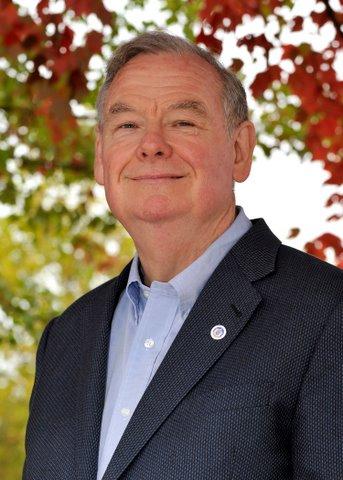
The words above were spoken by a person who has dedicated his life to something far beyond himself. The story of Calvin Sandborn, KC transcends the environmental movement and has had far-reaching effects on social movements and public policy.
Between his advocacy work and 20 years as director of the University of Victoria’s Environmental Law Centre, Sandborn has championed pivotal environmental policies and exposed corporate deception through education. Often described as “a people person” and a “connector”, he has always been driven by a deep love for nature.
In his book Becoming the Kind Father, he describes how he was forced to confront issues of masculinity, intergenerational trauma and his relationship with his father. In his podcast A Magical Life in Environmental Law, he describes how his father was an angry and frustrated man who had “slow suicide” due to alcohol. Through his own life experiences, Sandborn questions the toxic expectations placed on men and advocates for a shift away from the traditional expectations of a man.
Sandborn’s prescription can be summed up in his own words: “Love yourself, love others, love nature”.
Having graduated from the California State University with a degree in English Literature and Philosophy, Sandborn went on to attend law school at UBC. After graduating from UBC he established Farmworkers Legal Services and spent many years at West Coast Environmental Law before eventually settling into his lengthy career at the University of Victoria Environmental Law Centre. His career in litigation extended to advocating for policy changes that focused on holding large corporations accountable for their responsibility in the climate crisis.
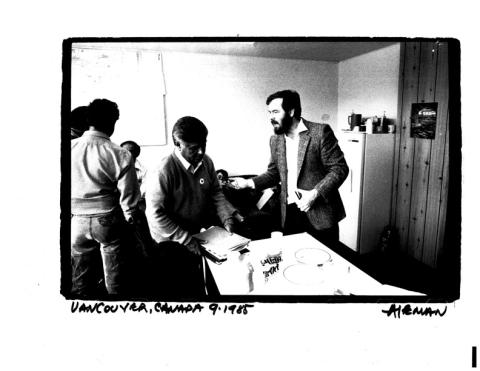
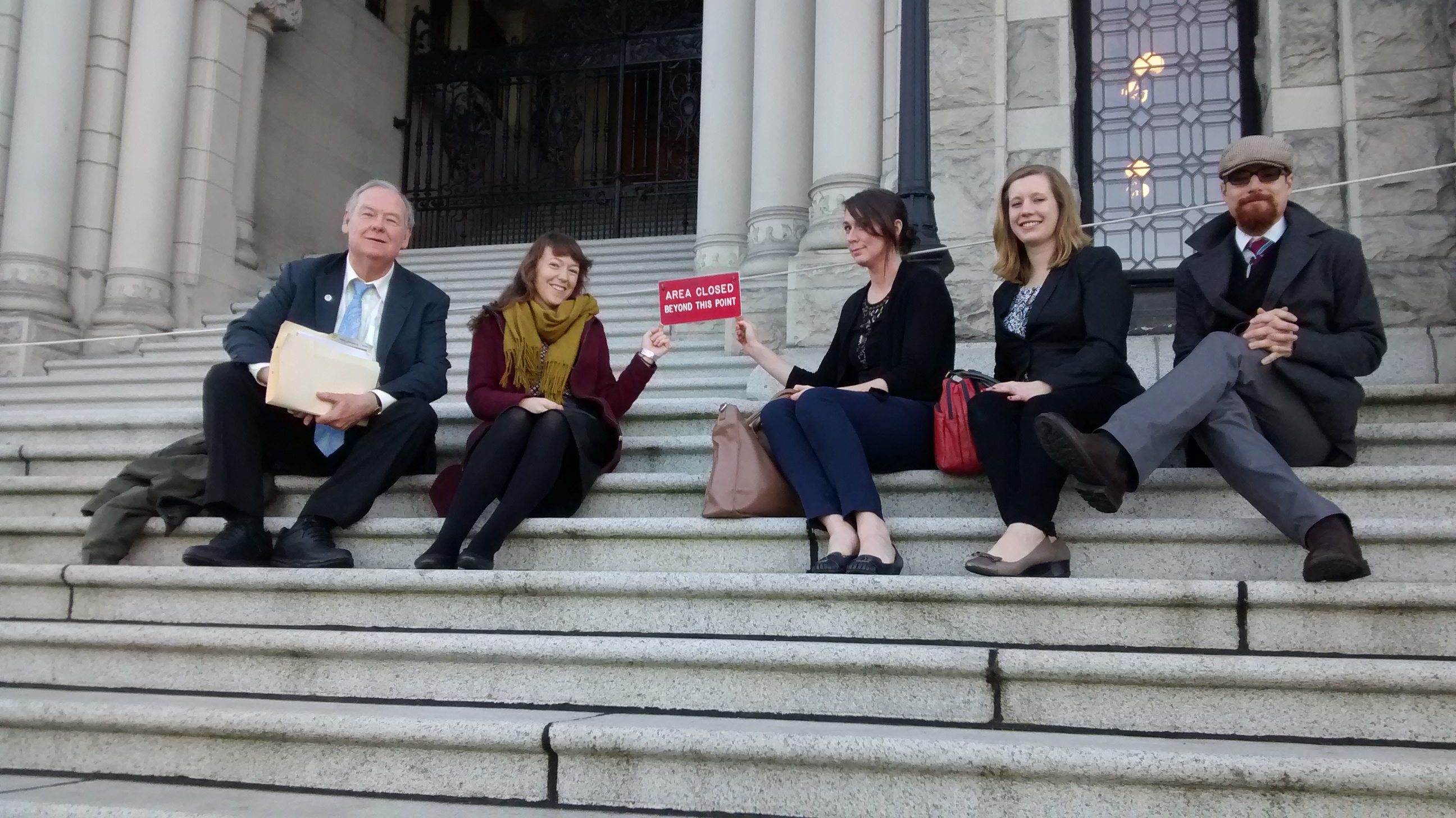
His work has always been rooted in using climate science and hard facts to promote climate-friendly technology and methods. This includes holding large corporations accountable for their systematic greenwashing practices. For example, he exposed how fossil fuel companies manipulated public opinion to dismantle a “bipartisan consensus of 88 per cent of Americans” who agreed that climate change was a serious issue. This early consensus has never recovered in the US. Sandborn also exposed the Canadian Competition Bureau’s consistent failure to prosecute environmental cases. Among various projects with his students, he supervised a paper to reform the Competition Act to defend the climate, proposing major recommendations and standards to combat greenwashing. This initiative built on the the landmark multi-million dollar precedent they had won against Keurig Coffee for misleading advertising of its plastic coffee pods.
Calvin continues to educate the public about the risks of greenwashing. In February, 2025 he delivered a talk at the University of British Columbia on the ways large corporations deceive the public, historically by denying climate science and now by misleading people about how climate-friendly their activities and products are.
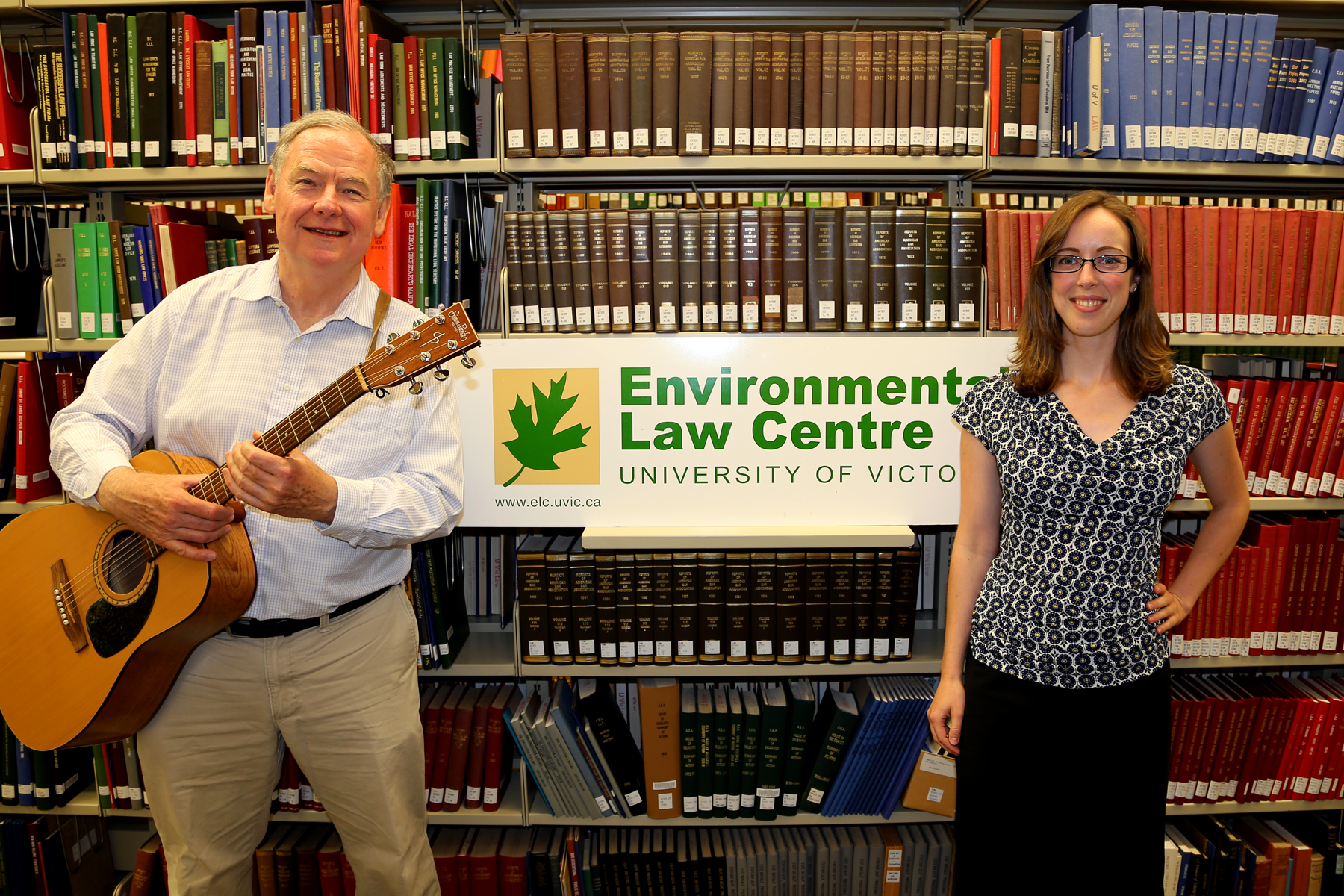
Sandborn began his “semi-retirement” from the University of Victoria Environmental Law Centre in 2023. The work that he and his students undertook included filing countless reports and submissions, playing a significant role in achieving a federal ban on single-use plastics and enabling the International Association of Firefighters (IAFF) to secure a federal ban on flame-retardant chemicals that endanger both firefighters and orcas.
Among his many honours, Sandborn was named an Honorary Citizen of the City of Victoria and awarded the Andrew Thompson Award by West Coast Environmental Law. He was appointed Queen’s Counsel (now King’s Counsel) in 2018. In 2024, he accepted the David Brower Lifetime Achievement Award from the Public Interest Environmental Law Conference. He dedicated the award to all students, emphasizing the importance of love and respect for nature, each other and future generations.
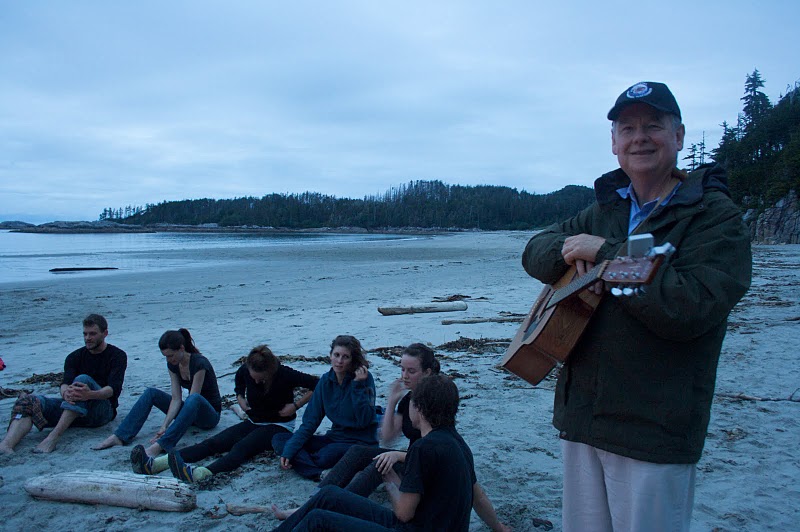
How do you define a man whose work spread so far throughout the community? How do you quantify the effect he had on so many students during his tenure at the University of Victoria? How do you measure the limits companies now face because of Sandborn’s dedication to exposing greenwashing? The answers may not be easily discoverable, but the lessons he leaves us are. These lessons highlight that justice depends on honesty and a sense of community, embracing individuals as they are and collaborating to resolve conflicts. Sandborn’s life and teachings are a tribute to the importance of community, togetherness and optimism.
- Centre for Law and the Environment


